
Key Factors in Truck Accident Liability and Damages
Oct. 1, 2026
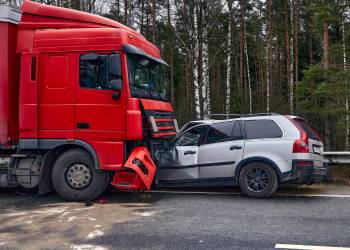 Four factors can shape a truck accident claim: Who caused the crash, what damages you can prove, how Pennsylvania's comparative negligence rules apply, and whether applicable federal or state trucking regulations were violated. Depending on the facts, the driver, trucking company, maintenance company, or manufacturer may be responsible. Applicable trucking regulations can also help show whether someone failed to follow required safety rules.
Truck accident claims often involve more evidence and legal issues than a typical car accident. After a serious crash, you may be dealing with painful injuries, mounting medical bills, and time away from work while trying to figure out what to do next.
It can be difficult to focus on your recovery when you are also worried about how the accident will affect you and your family. If you or someone you love was injured in a truck accident, knowing what to look for can help you understand your rights and potential compensation.
At Richard L. Vanderslice, P.C. in Philadelphia, Pennsylvania, we investigate the circumstances behind truck crashes, identify the parties who may be responsible, and assess the full extent of your losses. Contact us today to discuss your case.
Who Can Be Held Liable
The first factor is who is responsible for the crash. Depending on what happened, more than one person or company may be at fault.
The truck driver: Speeding, distracted driving, fatigue, impairment, or other unsafe driving can support a negligence claim.
The trucking company: A company may be responsible for negligent hiring or training, requiring or permitting conduct that violates applicable hours-of-service rules, or failing to properly maintain its vehicles.
A truck owner or leasing company: The company that owns or leases the truck may have responsibilities separate from those of the driver or carrier.
A maintenance or repair company: Faulty repairs or inadequate maintenance may contribute to a crash and create liability for the company that performed the work.
A manufacturer: A defective tire, brake, steering component, or other truck part may support a product liability claim.
A cargo loading company: Improperly loaded or secured cargo can affect a truck's stability and contribute to a crash.
Determining responsibility requires reviewing the facts and evidence surrounding the collision. Driver records, maintenance records, inspection reports, cargo records, photographs, video, and witness statements may all help establish what happened.
At Richard L. Vanderslice, P.C., we can take steps to preserve key evidence, review records about the truck and its driver, and examine the conduct of the parties involved. We can also challenge attempts to shift blame to you when the evidence points to another party's negligence.
Damages You May Be Entitled To
The second factor is the losses caused by the crash. Depending on the circumstances, you may be able to seek compensation for:
Medical expenses: This may include past treatment and reasonably necessary future medical care.
Lost income: This may include wages lost during recovery and, when supported by the evidence, reduced future earning capacity.
Pain and suffering: This can include the physical pain and emotional distress caused by the injuries.
Property damage: This may include damage to your vehicle and other personal property.
Loss of consortium: This may apply when an injury affects a spouse's marital relationship or rights.
Wrongful death damages: These may be available when a truck accident results in death and a surviving family member brings a wrongful death or survival claim.
The severity of your injuries, how long you are expected to recover, and whether you will need ongoing treatment can all affect the value of a claim. Medical records, bills, employment records, and other evidence can help establish these losses.
Punitive damages may also be available in limited cases involving particularly egregious conduct. They are different from compensatory damages and require facts that meet Pennsylvania's legal standard.
Comparative Negligence in Pennsylvania
The third factor is whether you share responsibility for the crash. Pennsylvania follows a modified comparative negligence rule. In simple terms, you can still recover compensation if you are partly at fault, as long as your share of fault is not greater than the combined fault of the defendants. Your compensation is then reduced by your percentage of fault.
For example, if you are found 20% responsible for a crash and your total damages are $200,000, your recovery would be reduced by 20%, leaving $160,000. If your share of fault is greater than the combined fault of the defendants, Pennsylvania law bars recovery.
This makes evidence about how the crash happened especially important. The truck driver's actions and those of other drivers, along with road conditions, vehicle problems, and cargo issues, may affect how fault is assigned. Our Pennsylvania personal injury lawyers can review the available evidence and work to establish how the crash happened and who was responsible.
Trucking Regulations and Evidence
The fourth factor is whether applicable federal or state trucking regulations were violated and what the available evidence shows. Depending on the type of operation, commercial trucks and their drivers may be subject to federal and state safety rules covering hours of service, vehicle inspections, maintenance, driver qualifications, and cargo.
A violation does not automatically establish liability, but it can be important evidence when determining whether someone's conduct contributed to the crash. Records that may matter include:
Electronic logging device (ELD) data: This can show a driver's hours of service.
Inspection and maintenance records: These can reveal vehicle problems or missed repairs.
Driver qualification records: These may contain information about the driver's qualifications and compliance history.
Event data recorder information: When available, this may provide information about speed, braking, and other vehicle activity.
Police reports, photographs, video, and witness statements: These can help establish how the collision occurred.
Cargo records: These may matter when how the truck was loaded or secured is relevant to the crash.
These records can be especially important in truck accident cases because the trucking company or another business involved in the operation of the truck may hold much of the relevant information.
Why Timing Is Important
Pennsylvania generally gives you two years from the date of an accident to file a personal injury lawsuit, although exceptions may apply. The longer you wait, the harder it may be to preserve evidence or get information from witnesses.
For that reason, it can be important to begin investigating a truck accident as soon as possible. Early action can help preserve records and other evidence that may be important to your claim.
I can begin investigating the crash, identify evidence that may need to be preserved, and communicate with the parties or insurers involved when appropriate. Acting promptly also gives me a better chance to understand how the crash happened before important information becomes harder to obtain.
Talk to a Philadelphia Truck Accident Attorney
The circumstances of a truck accident can affect both who is responsible and how much compensation you may be able to recover. A serious truck crash can leave you dealing with changes to your daily life that may continue long after you leave the hospital. You may also be unsure about how to handle the insurance company or what steps to take to protect your claim.
At Richard L. Vanderslice, P.C., we are a Philadelphia, Pennsylvania-based law firm representing clients injured in truck accidents and other personal injury matters throughout Philadelphia, including Philadelphia County, as well as Montgomery County and Delaware County.
Our attorneys understand the challenges that can arise when a commercial trucking company or its insurer is involved. If you were injured in a truck accident, contact us today to discuss your case and learn about your legal options.